













2026 Home Renovation Trends: What Homeowners Need to Know
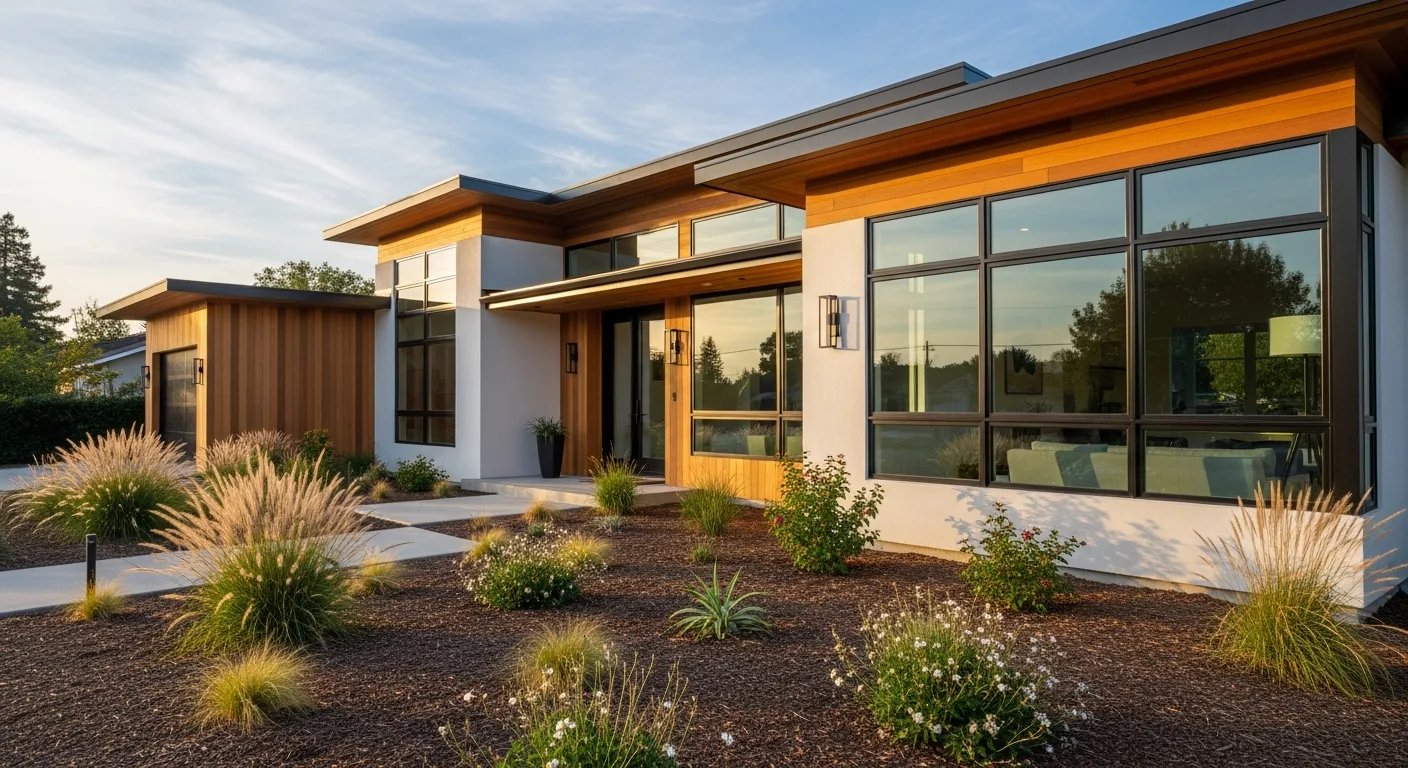
Discover the top renovation trends shaping American homes in 2026, from sustainable materials to smart home integration.
1. Energy efficiency is finally the headline, not the bonus
Heat pumps overtook gas furnaces in U.S. residential sales in 2022 and the gap has only widened. With the Inflation Reduction Act's $2,000 heat pump tax credit and rebates of up to $8,000 through the High-Efficiency Electric Home Rebate Program (HEEHRA) still active, electrification projects now lead almost every renovation conversation.
What homeowners are actually doing:
- Replacing aging gas furnaces with cold-climate heat pumps (now rated to -15°F)
- Adding induction cooktops during kitchen remodels
- Pre-wiring for EV chargers even before buying an EV
- Upgrading attic insulation to R-49 or higher
2. The "primary suite" is replacing the "master bedroom" — and getting bigger
The average primary bedroom suite in new construction grew to 376 square feet in 2025 (NAHB data). Renovations are following the trend: walk-in closets are doubling as dressing rooms, and bathrooms are being reclaimed from hallway space to add zero-threshold showers and freestanding tubs.
3. Quiet luxury kitchens replace the all-white era
The all-white kitchen with subway tile and shaker cabinets dominated for over a decade. In 2026 we're seeing:
- Warm wood tones — white oak, walnut, rift-cut ash for cabinets and floating shelves
- Stone-look quartzite and soapstone replacing glossy quartz
- Unlacquered brass hardware that ages naturally
- Integrated panel-front appliances — fridges and dishwashers that disappear
4. Aging-in-place becomes mainstream design
The oldest Boomers turn 80 in 2026. Universal design features that used to read as institutional are now being baked into every renovation, regardless of homeowner age:
- Curbless showers with linear drains
- 36-inch wide hallways and doorways
- Lever-style door handles instead of knobs
- Reinforced bathroom walls for future grab bars
- First-floor primary suites in two-story homes
5. Outdoor living rooms, not just decks
The pandemic-era outdoor boom has matured. Homeowners are no longer settling for a Weber and a string of café lights — they're building outdoor kitchens with built-in grills, pizza ovens, beverage fridges, and weatherproof TVs. Pergolas with louvered roofs (Struxure, Renson) are outselling traditional fixed-roof patio covers.
Average 2026 outdoor kitchen build: $18,000–$45,000. ROI at resale: 55–65%.
6. Smart-home tech matures from gimmick to infrastructure
Matter — the cross-platform smart-home standard backed by Apple, Google, Amazon, and Samsung — has finally hit critical mass. New 2026 builds and gut renovations are wiring for it from day one:
- Whole-home Wi-Fi 7 mesh networks
- Centralized smart-home hubs replacing individual app silos
- Smart leak detectors at every water source (sub-$30 each)
- Battery backup integrated with solar (Tesla Powerwall 3, Enphase IQ)
7. Smaller-scope, higher-quality projects
With borrowing costs still elevated, homeowners are picking one high-impact project instead of three medium ones. Cost vs. Value 2026 data shows the highest-ROI renovations remain:
| Project | Avg. Cost | ROI at Resale |
|---|---|---|
| Garage door replacement | $4,500 | 193% |
| Steel entry door replacement | $2,400 | 188% |
| Manufactured stone veneer | $11,200 | 153% |
| Minor kitchen remodel (midrange) | $27,500 | 96% |
| Vinyl siding replacement | $18,300 | 81% |
The takeaway
The 2026 homeowner is more strategic than the 2021 homeowner. They're spending money on durability, energy savings, and accessibility — not Instagram moments. If you're planning a project this year, get bids from at least three vetted local pros and ask each one how their proposal addresses long-term value, not just sticker price.
Sources & further reading
- NAHB Remodeling Market Index — quarterly read on remodeler workload and outlook.
- Joint Center for Housing Studies — Improving America's Housing — the canonical biennial report on national remodeling spending.
- Remodeling Magazine — Cost vs. Value Report — average resale ROI by project type, regionally adjusted.
- ENERGY STAR — federal certification used in this article when discussing efficient appliances and HVAC.
Frequently asked questions
Energy-efficiency projects — heat pumps, attic insulation upgrades, and rooftop solar — lead bid sheets, driven by federal Inflation Reduction Act incentives and rising utility rates.
Material costs have largely stabilized, but skilled-labor rates continue to rise 4–7% per year. Permitting and code-upgrade requirements are also adding line items that did not exist five years ago.
Garage door replacement, manufactured stone veneer, minor kitchen remodels, and entry-door replacement consistently top the Cost vs. Value report. Energy-efficiency upgrades return additional value through lower bills and federal tax credits.