













Energy Efficiency Upgrades That Pay for Themselves
Explore the home improvements that offer the best return on investment through energy savings.
How to think about "payback period"
Payback period = upfront cost ÷ annual savings. An upgrade that costs $4,000 and saves $800/year has a 5-year payback. After year 5, every dollar saved is profit. Two important wrinkles:
- Tax credits and rebates directly reduce your upfront cost — apply them to your payback math.
- Energy prices keep rising (2.4% annually on average), so real-world payback is usually faster than the static math suggests.
The 7 highest-ROI energy upgrades for 2026
1. Air sealing + attic insulation — Payback: 1–3 years
Easily the best dollar-for-dollar upgrade in any home built before 2005. A blower-door test reveals leaks, then a contractor seals penetrations and tops off attic insulation to R-49 or R-60.
- Average cost: $1,500–$3,500
- Annual savings: $300–$900 (15–25% of HVAC bill)
- 2026 tax credit: 30% up to $1,200 (Energy Efficient Home Improvement Credit)
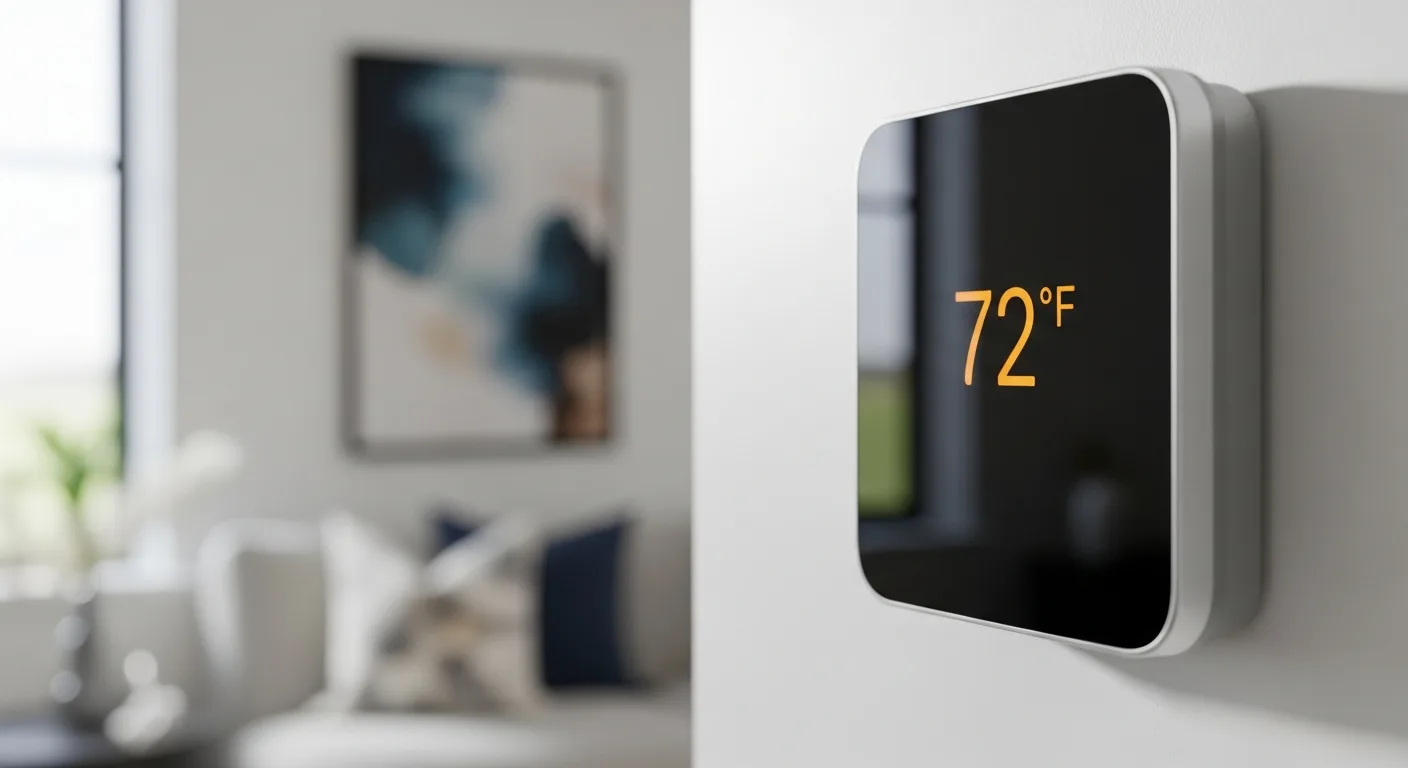
2. Smart thermostat — Payback: 1–2 years
- Average cost: $200–$300 installed
- Annual savings: $130–$180 (Nest reports avg ~10% on heating, ~12% on cooling)
- Many utilities offer a $50–$125 rebate
3. LED lighting conversion — Payback: under 2 years
If any incandescent or halogen bulbs are still in your house, they're costing you 75% more energy than equivalent LEDs. A whole-house swap is usually $150–$400 in bulbs and pays back in under 24 months.
4. Heat pump water heater — Payback: 3–5 years
A heat pump water heater uses about 60% less electricity than a standard electric tank. Install costs are higher, but rebates close the gap fast.
- Average cost: $3,500–$5,500 installed
- Annual savings: $300–$550 vs electric tank
- 2026 tax credit: 30% up to $2,000 (IRA Section 25C)
- HEEHRA rebate: up to $1,750 for income-qualified households
5. Cold-climate heat pump — Payback: 5–8 years
Replacing a 15-year-old gas furnace + central AC with a modern variable-speed heat pump cuts heating bills 30–50% in most U.S. climates and eliminates the cooling system replacement you'd need anyway.
- Average cost: $14,000–$22,000 installed
- Annual savings: $500–$1,500 depending on climate and fuel prices
- Federal tax credit: 30% up to $2,000
- HEEHRA rebate: up to $8,000 for income-qualified households
6. ENERGY STAR windows (when replacing anyway) — Payback: 10–25 years
Window replacement purely for energy savings rarely pencils out. But if your windows are already failing, the energy upgrade adds about 10% to the cost and saves $125–$465 per year.
7. Rooftop solar — Payback: 6–10 years
- Average cost (after 30% federal tax credit): $14,000–$22,000 for an 8 kW system
- Annual savings: $1,400–$2,800 depending on rates and sun exposure
- 25-year warranty on most panels = 15+ years of "free" electricity after payback
For a deeper dive, see our 2026 solar ROI guide.
The "stack" strategy: why order matters
The single biggest mistake homeowners make is sizing a new HVAC system to a leaky, under-insulated house. If you do air sealing and insulation first, you can install a smaller, cheaper heat pump that runs more efficiently for its lifetime. The right order:
- Energy audit / blower-door test ($200–$500, often free from utility)
- Air sealing + insulation
- Smart thermostat + LED conversion
- Water heater (whenever current one nears end-of-life)
- HVAC replacement (whenever current one nears end-of-life — sized to the now-tighter house)
- Solar (after demand is minimized so you can install a smaller, cheaper array)
Stacking incentives: federal + state + utility
You can usually combine all three:
- Federal tax credits (Energy Efficient Home Improvement Credit + Residential Clean Energy Credit) — apply when you file taxes
- State income tax credits — vary by state; check dsireusa.org
- Utility rebates — almost every U.S. utility offers them; check your bill or utility website
- HEEHRA / HOMES rebates — income-qualified, administered through your state energy office
The bottom line
Energy upgrades are one of the few home investments that produce real cash flow. Done in the right order, the average homeowner can cut energy bills by 30–50% over 5 years, with most upgrades fully paid off well before they need replacement. Start with an audit — you'll be amazed how quickly $1,500 worth of air sealing changes the entire economic picture of your house.
Sources & further reading
- IRS — Energy Efficient Home Improvement Credit (25C) — the federal tax credit that drives most of the ROI numbers in this article.
- DOE Energy Saver — Department of Energy's homeowner-facing efficiency guidance.
- ENERGY STAR Rebate Finder — search local utility rebates by ZIP and product.
- DSIRE — NC State's database of state and local energy incentives.
- Remodeling Cost vs. Value Report — cross-check resale recovery by region.
Frequently asked questions
Air sealing and attic insulation typically pay back in 1–4 years. Heat pump water heaters, smart thermostats, and LED lighting follow. Solar and full HVAC replacement have longer paybacks but larger lifetime savings.
A professional energy audit ($300–$700) typically uncovers $400–$1,200 per year in identifiable savings opportunities, and is a prerequisite for some federal and utility rebate programs.
Yes. The federal Energy Efficient Home Improvement Credit (Section 25C) covers 30% of qualified upgrades up to $1,200 per year for envelope improvements and $2,000 for heat pumps and heat pump water heaters.