













The Rise of Smart Home Technology in 2026
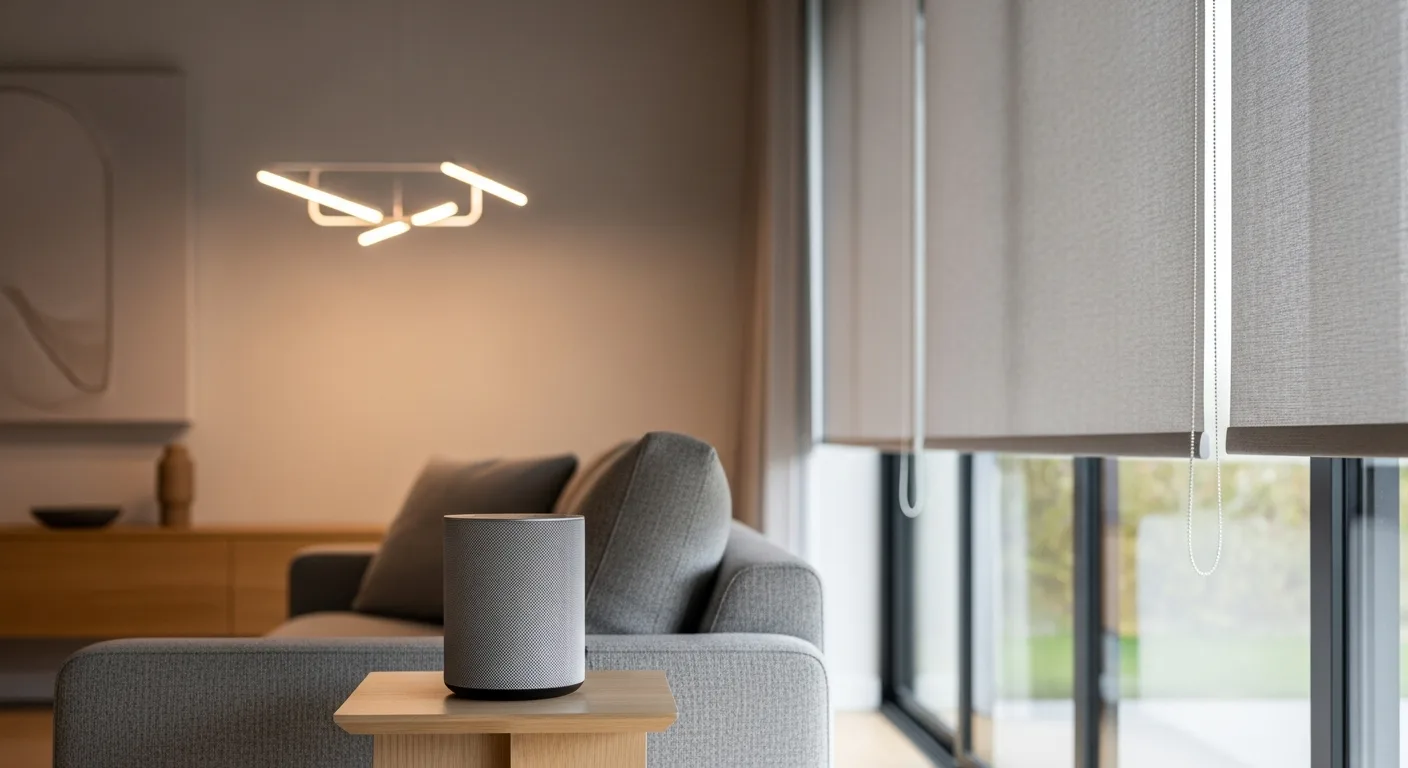
How AI and IoT are transforming home maintenance, from predictive repairs to automated climate control.
The Matter standard changed everything
For a decade, smart-home buyers had to pick a side: Apple HomeKit, Google Home, Amazon Alexa, or Samsung SmartThings. Matter — backed by all four — is a unified protocol that lets a single device work across every major platform.
What this means in practice:
- Buy a Matter-certified light bulb and it works with your iPhone, Echo, and Google Home simultaneously
- Local control by default — devices respond even if your internet is down
- Setup is now genuinely simple (scan a QR code instead of installing six apps)
Translation: it's finally safe to invest in smart-home gear without worrying about ecosystem lock-in.
The 7 smart upgrades worth installing in 2026
1. Smart leak detectors ($15–$30 each)
Cheapest and highest-ROI smart device, period. Place under every sink, behind toilets, near the water heater, washing machine, and dishwasher. They send a phone alert the instant they detect water — the difference between a $40 puddle and a $4,000 hardwood-floor replacement.
2. Smart thermostat ($120–$300)
Pays for itself in 12–24 months on energy savings. Top picks for 2026:
- Ecobee Premium — best for multi-zone homes with remote sensors
- Google Nest Learning — best learning algorithm; minimal setup
- Honeywell T9 — best value with multi-room sensing
3. Whole-home water shutoff valve ($400–$600 + install)
Brands like Moen Flo and Phyn install on your main water line and can detect anomalous flow patterns (a running toilet, a slow leak, a burst pipe) and shut off the entire house remotely. Many home insurers now offer 5–10% premium discounts for installing one.
4. Smart lock ($150–$300)
Modern smart locks (Schlage Encode Plus, August Wi-Fi, Yale Assure 2) handle:
- Keyless entry with PIN, app, or fingerprint
- Time-bound codes for cleaners, dog walkers, Airbnb guests
- Auto-lock after a set time
- Audit log of every entry/exit
5. Doorbell camera ($150–$250)
Ring is the household name, but Eufy and Reolink offer comparable quality with no monthly subscription required. Look for: 2K resolution minimum, color night vision, package detection, and on-device AI to reduce false alerts.
6. Smart smoke + CO detector ($100–$150)
Beyond the obvious life-safety value, these alert your phone if they go off while you're away — critical if you have pets, vacation properties, or aging parents in a separate home. The First Alert OneLink and Google Nest Protect are the dominant choices.
7. Energy monitor ($200–$350)
Devices like Sense or Emporia Vue install in your electrical panel and identify which appliances are using electricity in real time. Most homeowners discover at least $200/year of "phantom" or oversized loads they can fix.
What's still overhyped
- Smart fridges with screens. The screens go obsolete in 4 years; the fridge runs for 15. Skip.
- Smart toilets over $1,500. Bidet seats give 80% of the experience for 10% of the cost.
- Whole-home AI assistants. Privacy concerns aside, 2026 versions still struggle with multi-step requests.
- Smart light switches in every room. Pick a few high-value rooms (entry, kitchen, primary bedroom). Wiring every switch is rarely worth the cost.
AI is the headline feature this year
On-device AI (running locally instead of in the cloud) is the big 2026 story. Real, useful applications now shipping:
- HVAC predictive maintenance — your system warns you weeks before a compressor fails
- Anomaly-based leak detection — Phyn learns your normal water-use patterns and flags deviations
- Person/package/pet recognition on cameras — fewer false alerts, better notifications
- Voice control without Wi-Fi — local LLMs in newer Apple HomePod and Google Nest devices
Privacy considerations you should care about
Every smart device is a potential data leak. Three rules of thumb:
- Put smart devices on a separate Wi-Fi network (most modern routers offer a "guest" or "IoT" network in one click)
- Prefer brands that support local-only operation (no cloud account required)
- Read the privacy policy of any device with a microphone or camera before installing
Getting started: the $500 starter kit
If you're new to smart-home tech and want maximum impact for minimum spend, start here:
- Smart thermostat ($150)
- 4 leak detectors ($60)
- One smart lock for the front door ($200)
- Doorbell camera ($90)
Total: ~$500, all Matter-compatible, all installable in a weekend. Saves the average homeowner $300+ per year on energy and insurance, and dramatically reduces the chance of an expensive disaster.
The bottom line
Smart-home tech in 2026 is finally about real value, not gadgets. Pick devices that prevent expensive problems (leaks, energy waste, break-ins) and ignore the ones that just add a screen to something that already worked fine.
Sources & further reading
- Connectivity Standards Alliance — Matter — the official spec for the cross-platform smart-home standard discussed in this article.
- DOE — Thermostats & Control Systems — Department of Energy's primer on programmable and smart thermostats.
- NIST — Cybersecurity for IoT Program — federal guidance on securing connected home devices.
- Consumer Technology Association — industry data on smart-home adoption and shipments.
Frequently asked questions
Matter is a cross-platform smart-home protocol backed by Apple, Google, Amazon, and Samsung. A device with the Matter logo works with HomeKit, Google Home, Alexa, and SmartThings without separate hubs or accounts.
For most homeowners: smart leak sensors at every water source, a smart thermostat, smart smoke/CO detectors, and a video doorbell deliver the best mix of safety and savings.
For safety and energy products (leak sensors, thermostats, smoke alarms) the payback is fast and tangible. For lifestyle smart products (lights, blinds, speakers), the value is convenience rather than dollars.