







Plumbing Emergency? Here's Exactly What to Do First
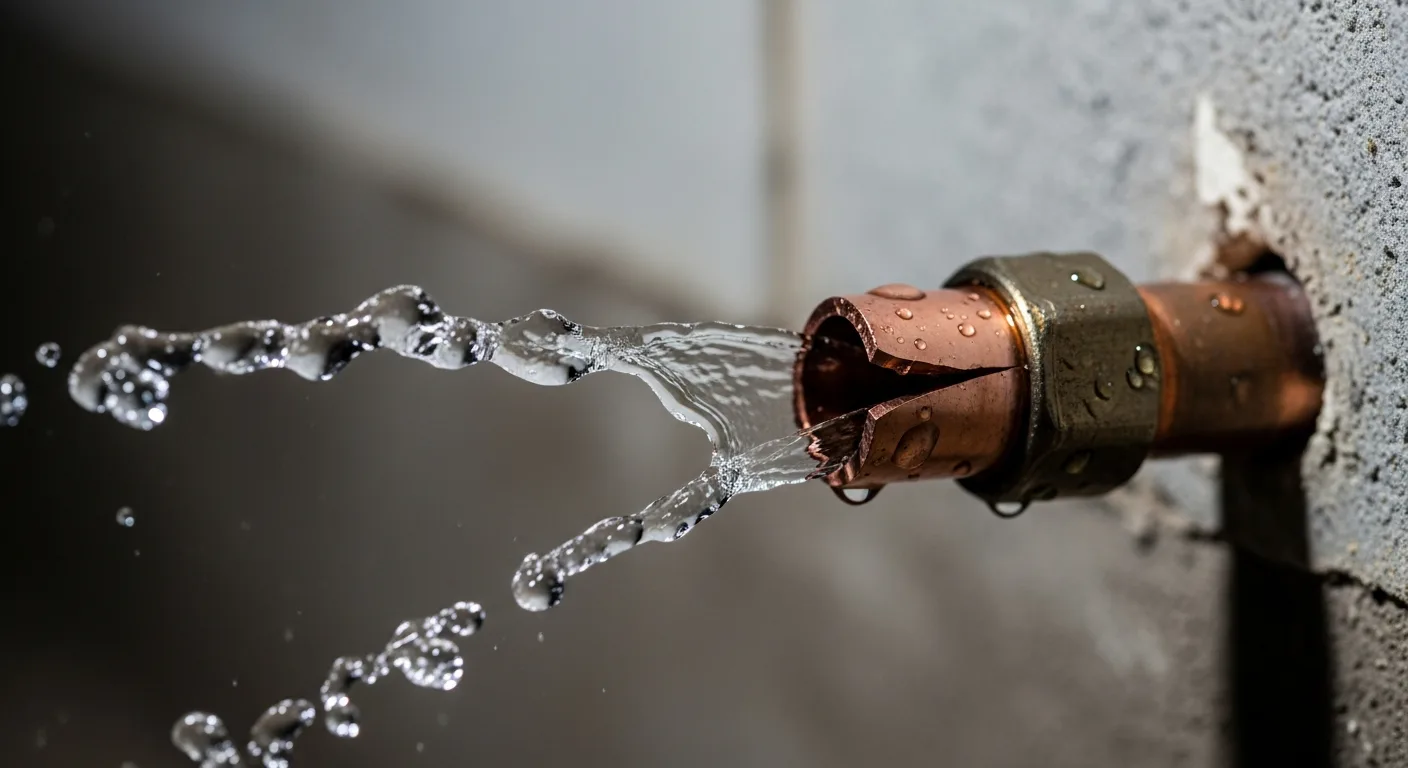
Burst pipe, overflowing toilet, no hot water — every minute counts. This step-by-step guide can save you thousands.
Step 0 (do this NOW, before an emergency happens)
Two things every adult in the household should know cold:
- Where the main water shutoff valve is — usually basement, garage, or crawlspace where the main line enters. Test it now — turn it off, turn it back on. If it's stiff or won't fully close, replace it before you need it.
- Where the gas shutoff valve is at your gas meter — and that you have a wrench accessible to operate it.
Also:
- Save a 24/7 plumber number in your phone right now (not when water is pouring)
- Know where the fixture shutoffs are (under each sink, behind each toilet)
- Keep a few towels and a bucket somewhere accessible
Burst pipe (any pipe, anywhere)
- Shut off the main water supply immediately
- Open all faucets in the house to drain remaining water from the lines
- Turn off the water heater (electric: breaker; gas: thermostat to "pilot")
- Locate the leak and capture water with buckets/towels
- Move valuables and electronics out of the area
- Photograph everything for insurance
- Call a 24/7 plumber
- If significant water has accumulated, call a water-damage restoration company before mold can develop (24–48 hours)
Overflowing toilet
- Lift the tank lid and push the flapper down (this stops more water from entering the bowl)
- Turn the shutoff valve behind the toilet clockwise (closes it)
- If the valve won't close, hold the flapper down and shut off the main water
- Plunge with a flange (toilet) plunger — straight down, then sharp pulls
- If plunging doesn't work in 5 minutes, stop. Repeated plunging can crack the wax ring.
- Use a closet auger ($30 from any hardware store) to clear the trap
- If the auger doesn't clear it, you likely have a deeper drain blockage — call a plumber
No hot water
Triage before you call:
- Electric heater: check the breaker. If tripped, reset once. If it trips again, do not reset — call a plumber/electrician (likely a failed element).
- Gas heater: check the pilot light. If out and you can smell no gas, follow the manufacturer relight procedure. If you smell gas — leave the house and call your gas utility from outside.
- Tankless heater: check the error code on the unit display. Common fixes are venting blockage or filter cleaning.
- If hot water lasts a few minutes then runs cold, the dip tube has likely failed — call a plumber. Probably worth replacing the heater if it's 8+ years old.
Sewage backup (drains backing up into tubs/showers)
Stop using all water in the house immediately. Don't flush toilets, run dishwashers, do laundry — any added water makes the backup worse.
- Move family and pets away from the affected area (raw sewage is a biohazard)
- If you have a basement drain that's backing up, the issue is in the main sewer line — call a plumber for emergency drain clearing
- Don't try to clear a main line with a household plunger or chemical drain cleaner
- Document everything for insurance (sewer backup is usually a separate rider, not always covered)
- Call a water/biohazard remediation company before cleanup
Frozen pipe (not yet burst)
- Open the affected faucet — gives water somewhere to go as ice melts
- Apply gentle heat with a hairdryer, starting at the faucet end and working back toward the freeze
- Never use: open flame, propane torch, kerosene/space heater, or boiling water on the pipe
- If you can't locate the freeze or hear water dripping inside the wall, shut off the main and call a plumber
- Once thawed, leave a slight drip running during the next cold snap
Smell of gas anywhere in the house
- Don't flip switches, light matches, or use phones inside the house — any spark can ignite gas
- Get everyone outside immediately
- Leave doors open as you exit (if it's safe to do so quickly)
- From outside, call your gas utility's emergency line (it's on every gas bill) or 911
- Don't reenter until utility crews give the all-clear
Slab leak (hot or cold water spot on the floor, unusual high water bill)
- Shut off the main water if water is visibly emerging
- If the leak is suspected but not visible, get a leak detection service in (some plumbers do this; specialists with acoustic equipment are often better)
- Don't agree to spot repairs until the location is precisely identified
- Decide between repair (jackhammer the slab) or repipe (run new lines through walls/ceilings) — repipe often makes more sense for older copper
Sump pump failure during a storm
- If safe, manually bail water out of the pit with a bucket while you wait
- If you have a battery backup, confirm it's running
- If you don't have a battery backup, this is a strong signal to install one ($200–$400 in parts)
- Move valuables in the basement to upper shelves now
- Call an emergency plumber and/or sump pump specialist
What does and doesn't qualify as a true emergency
| True Emergency (call now) | Wait Until Morning |
|---|---|
| Active flooding | Slow drip you can put a bucket under |
| No water at all | Single fixture not working (others fine) |
| Sewage backing up | Slow drain |
| Smell of gas | No hot water (if it's not freezing out) |
| Burst pipe | Running toilet |
| Frozen pipe with main shut off | Faucet that drips when off |
Emergency rates run 1.5–2.5x normal labor, so being able to triage saves money.
Insurance reality check
- Most policies cover sudden, accidental water damage from plumbing
- Most policies do not cover gradual leaks, neglected maintenance, or sewer backups (unless you have the rider)
- Document everything (photos, receipts, every contractor estimate)
- Notify your insurer within their reporting window (often 72 hours; some 30 days)
- Don't sign with restoration companies that demand "assignment of benefits" — these arrangements can cost you control of your own claim
The bottom line
A plumbing emergency is mostly about minutes — minutes to shut off the right valve, minutes to triage, minutes to call the right pro. Spend 15 minutes today locating your main shutoff and saving an emergency plumber number, and you'll save yourself thousands when something inevitably goes wrong. Get matched with a vetted 24/7 local plumber in about two minutes.
Sources & further reading
- Insurance Information Institute — Protect Your Home from Water Damage — what insurers actually pay for, and what they expect homeowners to mitigate.
- IICRC — the certifying body behind the S500 Water Damage Restoration Standard used by reputable mitigation companies.
- Plumbing Manufacturers International — SafePlumbing.org — homeowner-facing guidance on shutoffs, pressure, and code-compliant fixtures.
- American Red Cross — Flood Safety — what to do (and not do) once water is in the home.
Frequently asked questions
Shut off the water — at the fixture if it is an isolated leak, at the main if it is a burst pipe or you cannot identify the source. Then turn off the water heater and open faucets to drain the lines.
Usually at the basement, garage, or crawlspace where the main line enters the house. Test it now (turn it fully off and back on) — corroded valves are common and discovered the night you actually need them.
Call now for active flooding, no water at all, sewage backup, gas smell, burst pipe, or frozen pipe. A slow drip you can put a bucket under, a single non-working fixture, or a slow drain can wait — emergency rates run 1.5–2.5x normal labor.