











The Ultimate HVAC Maintenance Schedule for 2026
A month-by-month checklist to keep your heating and cooling system running efficiently and avoid expensive surprise breakdowns.
The two non-negotiables
- Replace the air filter every 1–3 months (1 month for high-MERV filters or homes with pets/allergies; 3 months for basic 1-inch fiberglass).
- Schedule professional service twice a year — once in spring before AC season, once in fall before heating season. Annual service-only homeowners catch about half the issues a 2x/year schedule catches.
Month-by-month schedule
January — Mid-winter check
- Replace filter
- Test carbon monoxide detectors (replace if older than 7 years)
- Confirm thermostat is holding setpoints
- Listen for unusual noises during heating cycles
- Make sure outdoor heat pump unit (if applicable) is clear of snow/ice
February — Indoor air quality month
- Replace filter
- Vacuum return-air vents and grilles
- Have humidifier serviced (if equipped)
- Check for dust accumulation on supply registers (sign of duct leakage or filter bypass)
March — Pre-spring inspection
- Replace filter
- Schedule professional spring tune-up (book early — pros are slammed in April–May)
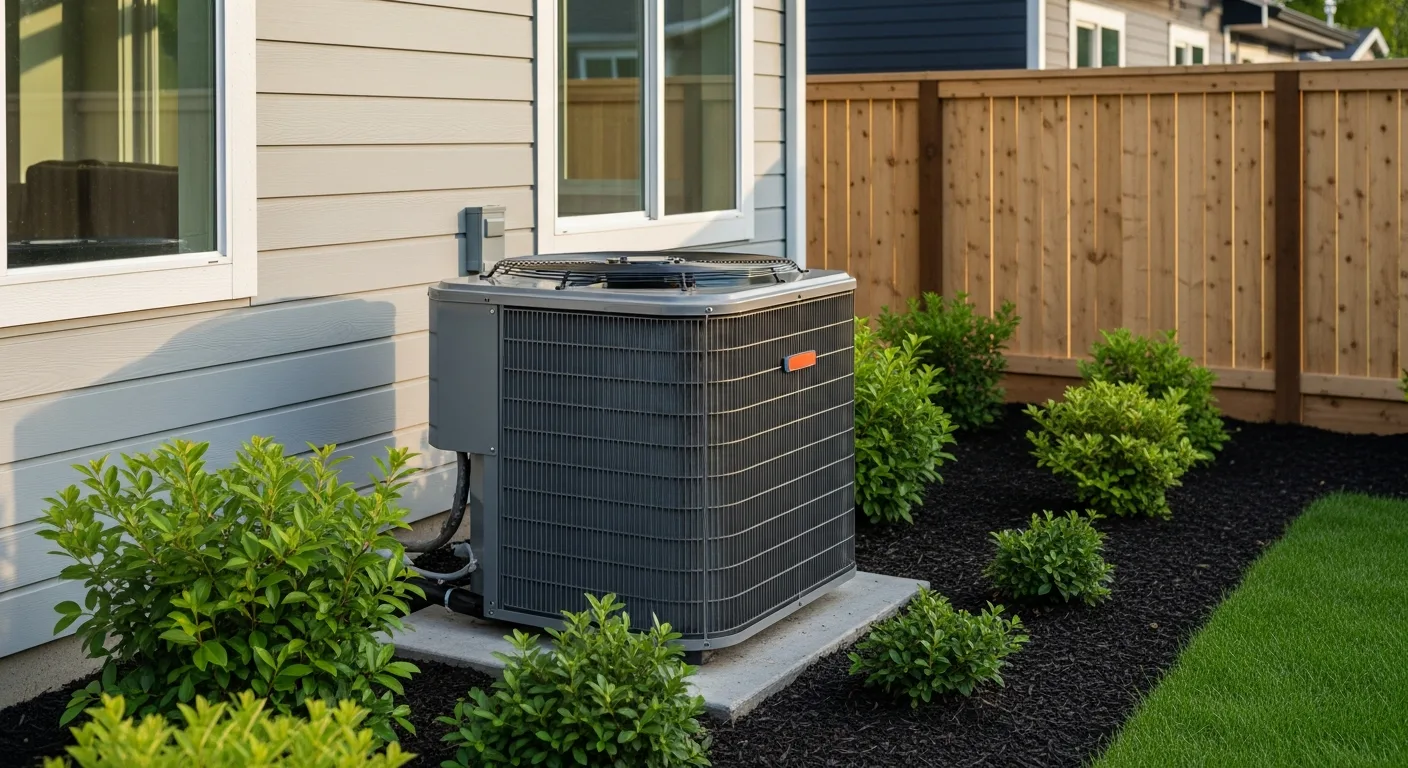
- Clear leaves and debris from around outdoor condenser
- Inspect refrigerant lines for damaged insulation
April — Spring tune-up (professional service)
A proper spring tune-up should include:
- Refrigerant level check
- Coil cleaning (indoor and outdoor)
- Condenser fan motor lubrication
- Electrical connection tightening
- Capacitor and contactor testing
- Condensate drain clearing
- Thermostat calibration
- Airflow measurement
A $129 tune-up that finds a $30 capacitor on the verge of failing has just saved you a $400 emergency call in July.
May — Pre-summer prep
- Replace filter
- Test AC by running for 30 minutes — supply air should be 17–22°F cooler than return air
- Check that outdoor unit is level (settling causes refrigerant flow issues)
- Trim vegetation back 2 feet from condenser on all sides
June — Peak season starts
- Replace filter (start monthly checks during peak cooling)
- Confirm condensate drain is flowing — pour a cup of water + a tablespoon of vinegar down it
- Check ductwork in attic/basement for sweating or visible leaks
July — Mid-summer
- Replace filter
- Hose down outdoor condenser fins (turn off power first)
- Listen for new noises — short cycling is a major red flag
- Verify thermostat differential is reasonable (compare set vs actual temp)
August — Heat dome readiness
- Replace filter
- If the system is struggling on the hottest days, get it inspected NOW — failures cluster during heat waves when techs are booked solid
- Consider a smart thermostat upgrade if you don't have one
September — Pre-fall service
- Replace filter
- Schedule professional fall tune-up
- Clear vegetation and debris from outdoor unit
- Test heating mode briefly to confirm it works before you need it
October — Fall tune-up (professional service)
A proper fall tune-up should include:
- Heat exchanger inspection (critical for safety — cracked exchangers leak CO)
- Burner cleaning and flame inspection
- Gas pressure testing
- Blower motor and belt inspection
- Flue/vent inspection
- CO test at supply registers
- Thermostat calibration
November — Winter prep
- Replace filter
- Cover the outdoor AC condenser ONLY if directly under a tree (otherwise leave uncovered — covers trap moisture and attract rodents)
- Confirm humidifier is set up properly (30–50% indoor humidity)
- Bleed radiators if you have hydronic heat
December — Winter monitoring
- Replace filter
- Watch the gas/electric bill for unexpected jumps (sign of efficiency loss)
- Verify all vents are open and unobstructed by furniture or rugs
- Test smoke and CO detectors
The maintenance plan question
Most HVAC companies offer a maintenance contract for $150–$300/year that covers two visits, priority scheduling, and 10–15% off any repairs. Worth it if:
- Your system is 7+ years old
- You'd otherwise forget to schedule
- You live somewhere with extreme summer or winter temperatures
- You have a heat pump (which benefits especially from biannual service)
DIY vs pro: where to draw the line
| Task | DIY? |
|---|---|
| Filter changes | Always DIY |
| Vacuuming vents | DIY |
| Hosing down condenser fins | DIY (with power off) |
| Clearing condensate drain | DIY |
| Replacing thermostat | DIY if comfortable with low-voltage wiring |
| Refrigerant work | Pro only — EPA certification required by law |
| Gas line work | Pro only |
| Capacitor / contactor replacement | Pro recommended (high-voltage) |
| Heat exchanger inspection | Pro only |
The bottom line
HVAC maintenance is the single highest-ROI homeowner habit. Two professional tune-ups and a stack of filters costs about $300/year and routinely doubles the lifespan of a $10,000+ system. Book a tune-up with a vetted local HVAC pro in about two minutes.
Sources & further reading
- ENERGY STAR — HVAC Maintenance Checklist — the federal baseline for seasonal tune-ups, mirrored in this article.
- DOE — Heating and Cooling — Department of Energy's homeowner guide.
- ACCA — Air Conditioning Contractors of America — industry standards (Manual J load calc, etc.) every quality HVAC contractor follows.
- ASHRAE — engineering standards underlying ventilation, indoor-air-quality, and combustion-safety recommendations.
Frequently asked questions
Schedule professional service twice a year — once in spring before AC season, once in fall before the heating season. Replace the air filter every 1–3 months depending on filter type and household conditions (pets, allergies).
A proper tune-up tests refrigerant charge and pressures, cleans coils, inspects electrical connections, tests capacitor and contactor health, checks blower amperage, calibrates the thermostat, and inspects ductwork for leakage.
A single visit runs $100–$200 in most U.S. markets; an annual maintenance plan covering both spring and fall visits runs $180–$350 and usually includes priority service and parts discounts.